(Feature image: AI generated)
Our latest article in Luxury Briefing Magazine explores the shift from mythology to materiality in luxury brands; we consider ageing, anxiety about time, decline, the promise of permanence, durability and legacy - in one short happy read!
The full copy is below and you can a selection of our favourites from our 'Brand Matters' series by following the links at the end of the article.

“Hope I die before I get old" sang The Who’s Pete Townshend.
He feared that flickering light. Don’t we all. But luxury brands are designed for the long haul, to be around long enough to become great.
What interests me is this subtle, usually unreported association between ageing, anxiety about time, decline... and the appeal of quality and luxury.
Ageing makes time visible, and luxury brands deal in time. They promise permanence, durability, continuity, and legacy. As Patek understands well, their watches will outlive you, for the next generation to pass on. Which has some psychological comfort when life can feel overwhelming.
If you’re one of the marketers who, according to Marketing Week and The Guardian recently are feeling burned out, being imposters, becoming old, irrelevant and losing competence, I bring good news. Luxury brand marketing is the place to be.

(Image: AI generated)
You may have a little grey hair, but your style hasn’t gone yet. You may be getting quieter, but you’re more discerning, you may not be so worried about the latest trends as you’re starting to transcend them. You haven’t been pushed to the edge of the herd yet. Well, some brands are built for exactly this moment.
Luxury brands promote a modest rebellion against disposability. Buy less, buy better, refuse the churn. It's not exactly riots on the streets but opting out of replacing cheap garbage every season does mean something, even if that comes with a heavy price tag.
A well-made leather bag, quality boots, or an analogue watch can outlast dozens of their cheap equivalents. You're buying it once instead of repeatedly replacing rubbish.
It’s a different, more noble, eco-friendly, consumption treadmill. It’s the luxury sector’s sustainability story.
And there's dignity in craftmanship. As noted here regularly, supporting skilled work and artisanship is the sector’s creative soul. Cue… the French luxury house Art exhibitions and Foundations.
Though the heritage craftsmanship story is clearly more truthful if manufacturing has not been totally outsourced like… erm… many do. Did someone say India/China? And deliberately creating new collections to keep customers buying is not a rebellion against disposability. It’s expensive disposability. But we live in a real world; bills and shareholders have to paid. I hang on to the idea, hopefully not too rose-tinted, that if behaviour actually changes i.e. buying less, keeping longer, choosing quality that is genuinely for the best.
Better keep my old clothes. After a certain age you don't need to buy vintage, just need to wait.

(Source: Caldene Clothing Co)
Of course, luxury needs to attract youth to ensure the future. Chasing relevance, means chasing what's current, which means chasing the youth vote. But there are luxury brands that understand continuity.
And which brands are the same as it ever was? A few examples:
Hermès leather goods, scarves. Their Birkin, Kelly bags, and silk scarves look fundamentally identical to versions from the 1950s and ‘80s. The saddle-stitching technique hasn't changed.
Rolex. A Submariner from 1965 and one from 2025 look the same watch - same proportions, same design DNA.
Barbour waxed jackets look the same as they did in the 1970s. Same cut, same function, same aesthetic.
Lobb shoes. Classic English shoemaking. The last shapes, construction methods, styles haven't changed in decades. A pair of John Lobb Oxfords from 1990 looks like a pair from today.
Burberry trench coat. Yes, the brand had the footie terraces to deal with but the trench coat itself - the Kensington, the Chelsea - remains fundamentally unchanged since the early C20th. Same gabardine, same cut, same check lining.
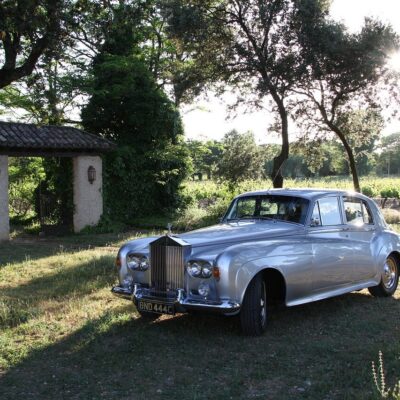
Porsche 911. The look is iconic from 1963 to now. They've updated everything underneath but kept the look and style intact.
AGA cast iron range cookers that look identical to ones from the 1940s. Enamel finishes, same design, same cult following.
Loro Piana/Brunello Cucinelli cashmere, tailoring. Not flashy, but a famed stealth wealth aesthetic so consistent it's almost boring. A cashmere sweater from 2006 looks like one from 2026. Pure quality, zero trend-chasing.
The story for all: luxury does not promise youth; it promises continuity and a sense that some things improve, rather than diminish, with age.
A Hermès single bag still takes 18-48 hours of hand-stitching by one craftsperson. Rolex movements are tested and refined over years before release. These brands grow their products slowly through iteration, through apprenticeships that take years, through materials that are themselves slow (vegetable-tanned leather takes months; the best cashmere comes from specific goats in specific climates ). You can't rush excellence. Things built slowly tend to be built to last because slowness forces the workmanship to be careful.
As the writer Molière, who lived whilst France was inventing the entire concept of luxury, put it elegantly: “The trees that are slow to grow, bear the best fruit”.
Finally, a business case for ageing.
And a case for a London-based luxury branding Agency
Anew’s two founders deliver: insights from market research, strategic brand thinking, new brand names, luxury logo design, messaging, online and offline content, coffee table books and luxury brand websites. We help companies increase brand profitability through sharper insights, distinctive propositions, creative ideas and faultless execution.
To get in touch do drop us an email. We'd be delighted to meet for a coffee, either face-to-face or virtually to discuss your brief.
Read more from our Brand Matters series:
- Forget stealth wealth for a minute. This is about the power of excess and how luxury is weaponised as power here.
- How luxury magnifies the spirit and can take us to a higher place here
- Whispers and shouts: the global language of Luxury here
- Does everyone buy into the mythmaking of luxury brands here
- There is still room for grace, awe and wonder here
- The luxury Brand Playbook here
- Behind the beauty of luxury here
- How privacy and escape from the coarse excesses of the world is becoming more desirable for luxury brand consumers here
- The enduring importance of craftsmanship here
- Why craftsmanship's vulnerability will win in the tech world here.
- Luxury is ageing gracefully here
- Why the pursuit of authenticity is paramount for luxury brands here
- Exploring the symbolism of colour for luxury brands here
- Why beauty, elegance, timeless high quality, durability and a little self-indulgence can be good for you here
- The importance of being reassured here